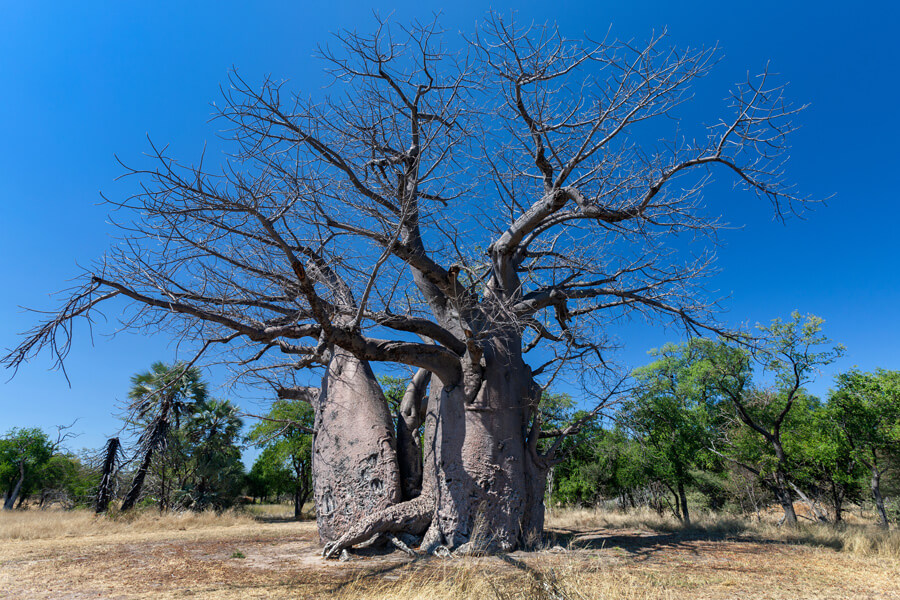
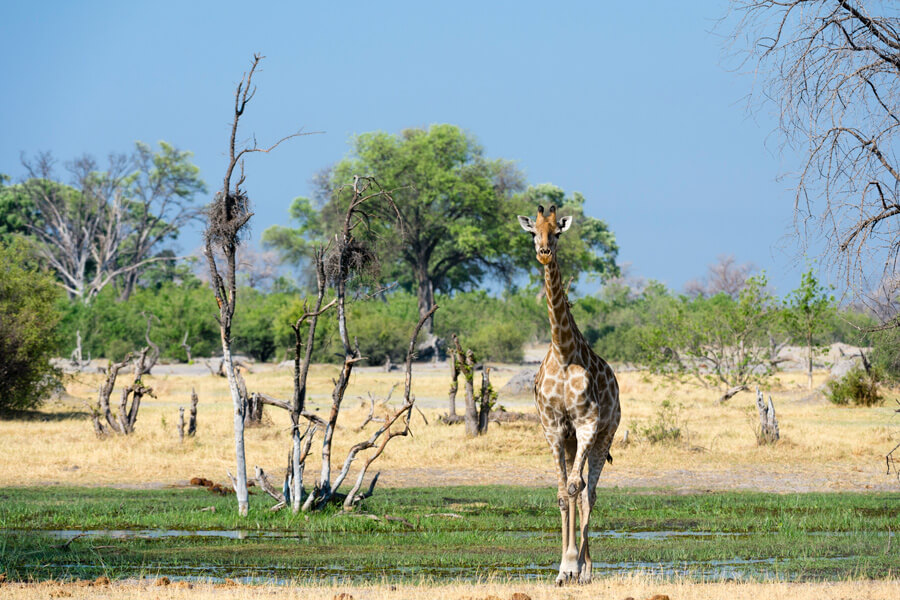
A sanctuary of stillness, where the wild remains raw and rhythms run deep. From the drifting mokoros of the Delta to lion tracks in Kalahari sand, this is nature unscripted. No crowds, no fences — just space, silence, and presence. It’s not a journey through the wild. It’s a return to something beautifully original within yourself.
The Soul of Botswana
Discover thrilling adventures and breathtaking beauty
Drift Through the Okavango Delta
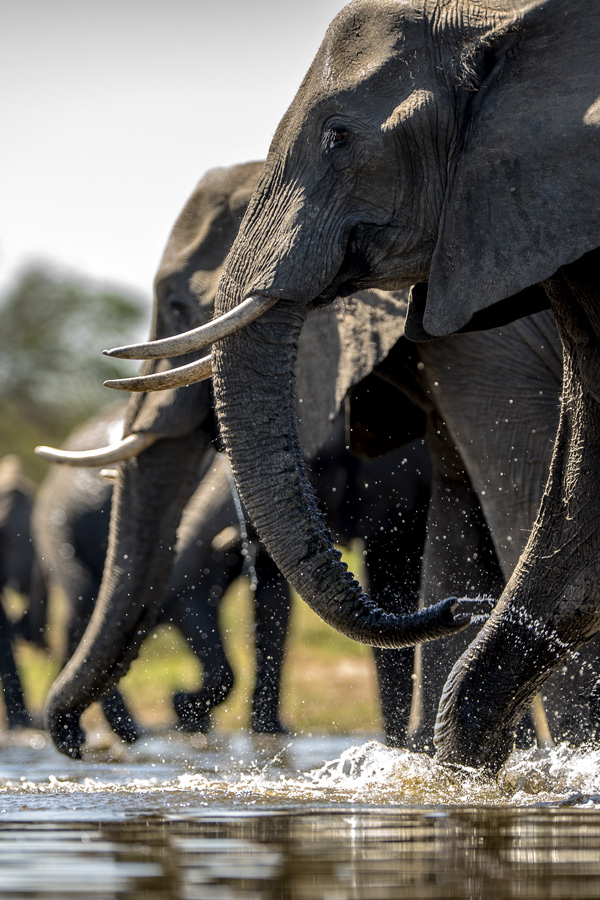
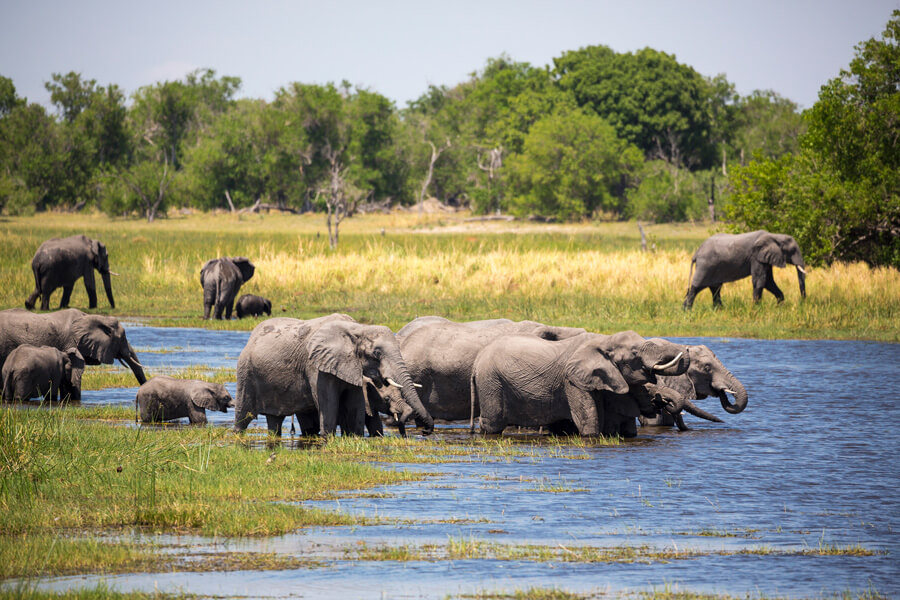
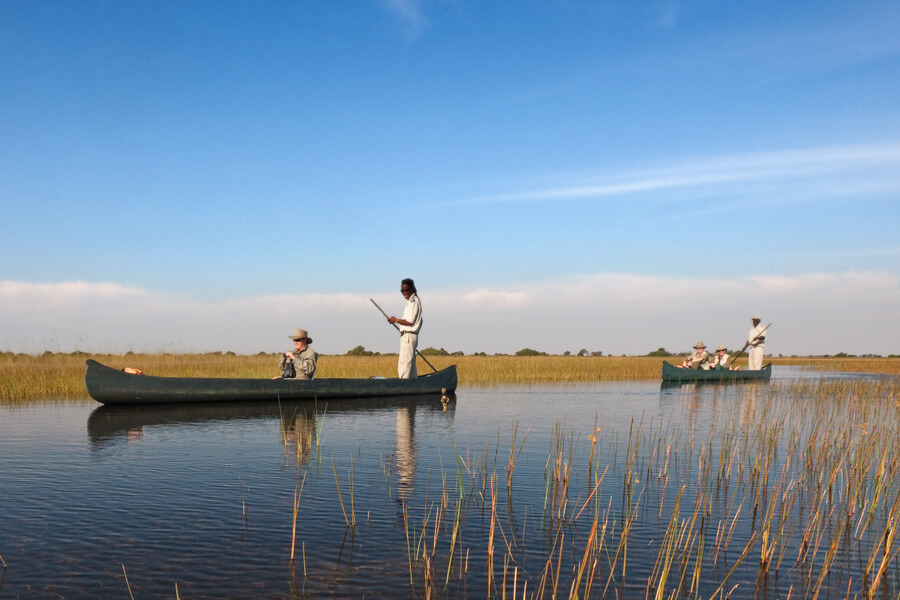
Float silently through Botswana’s emerald heart — a labyrinth of channels, lily-dotted lagoons, and palm-fringed islands. In a mokoro (dugout canoe), you glide past elephants bathing and reed frogs singing. The Delta is not just a place to see — it’s a place to feel. Wet, wild, and soul-stirring.
Explore the Kalahari’s Quiet Majesty
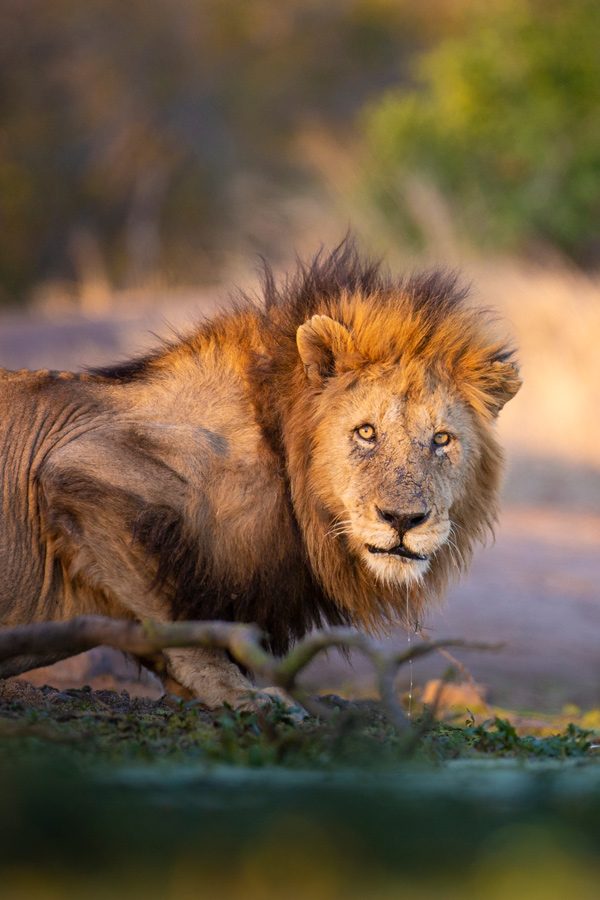
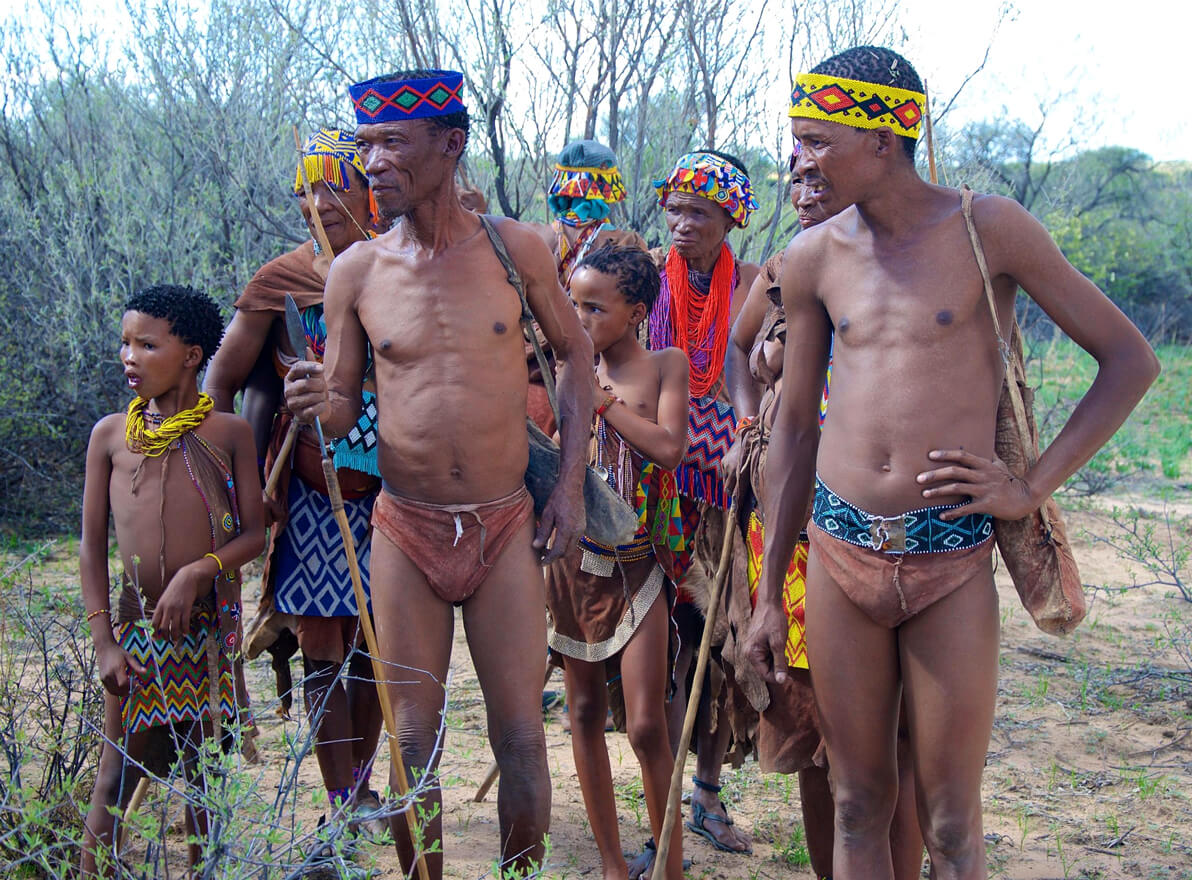
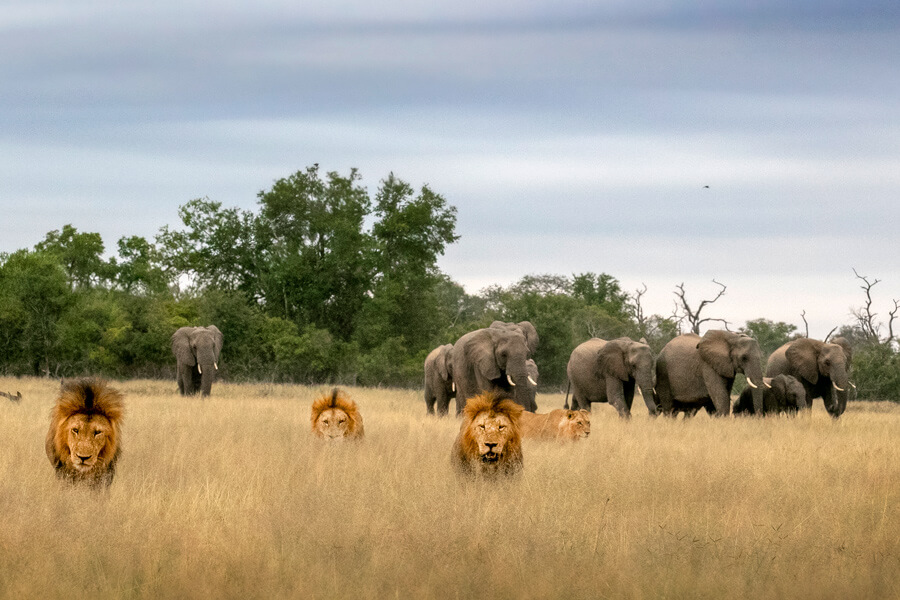
The Kalahari is a study in stillness — red dunes, fossil riverbeds, and a silence that expands you. Walk with San Bushmen and learn the language of the land. Witness black-maned lions and desert-adapted wildlife. This is where minimalism becomes spiritual, and space becomes sacred.
Sleep Beneath the Stars on the Salt Pans
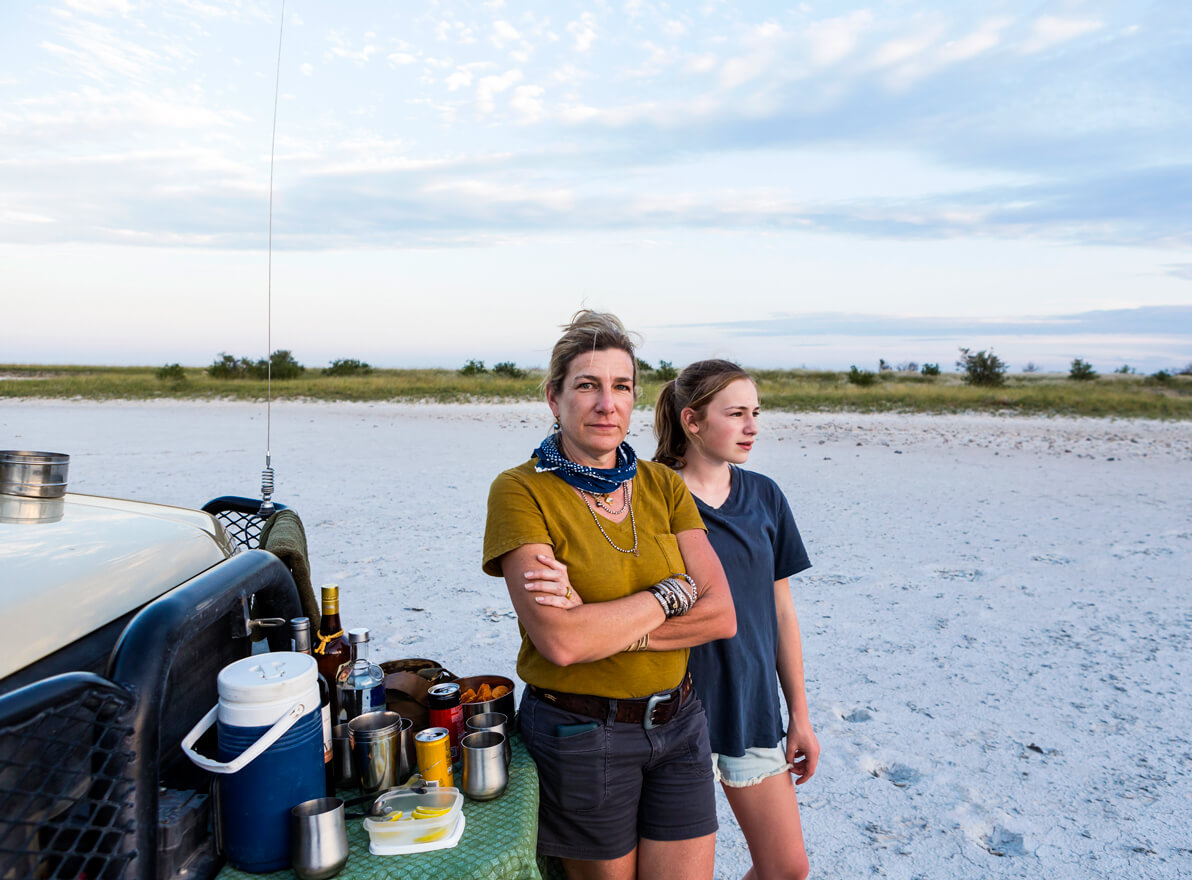
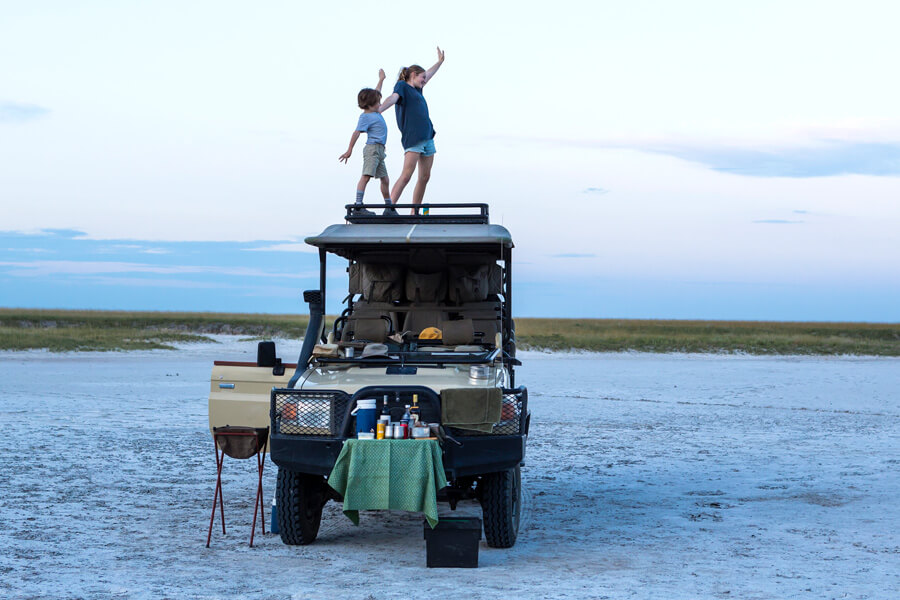
On the Makgadikgadi Pans, time feels suspended. Ride quad bikes across lunar flats, visit meerkat colonies, then sleep in a bed rolled out under endless starlight. The silence is absolute. The sky, endless. It’s not a dream — it just feels like one.
Watch Wildlife from the Water in Chobe
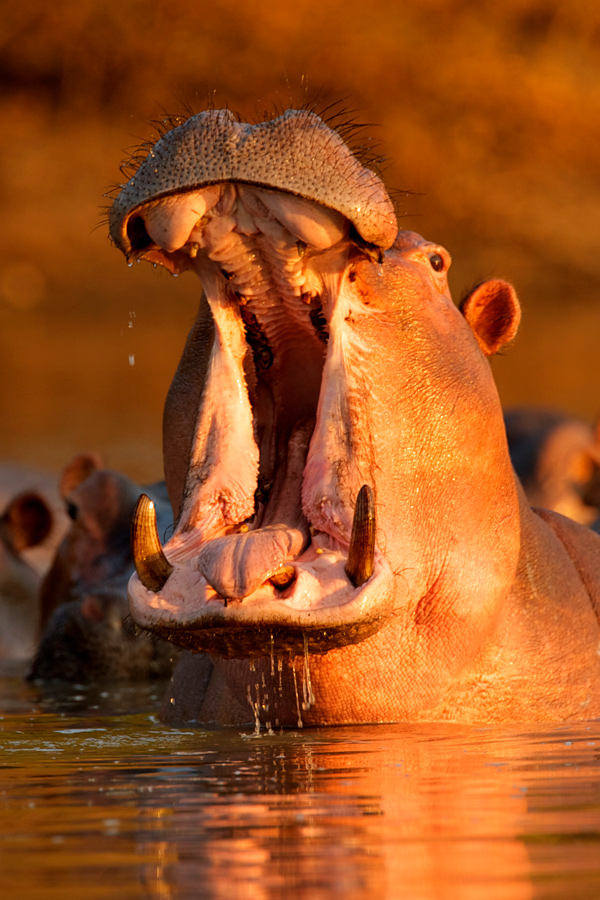
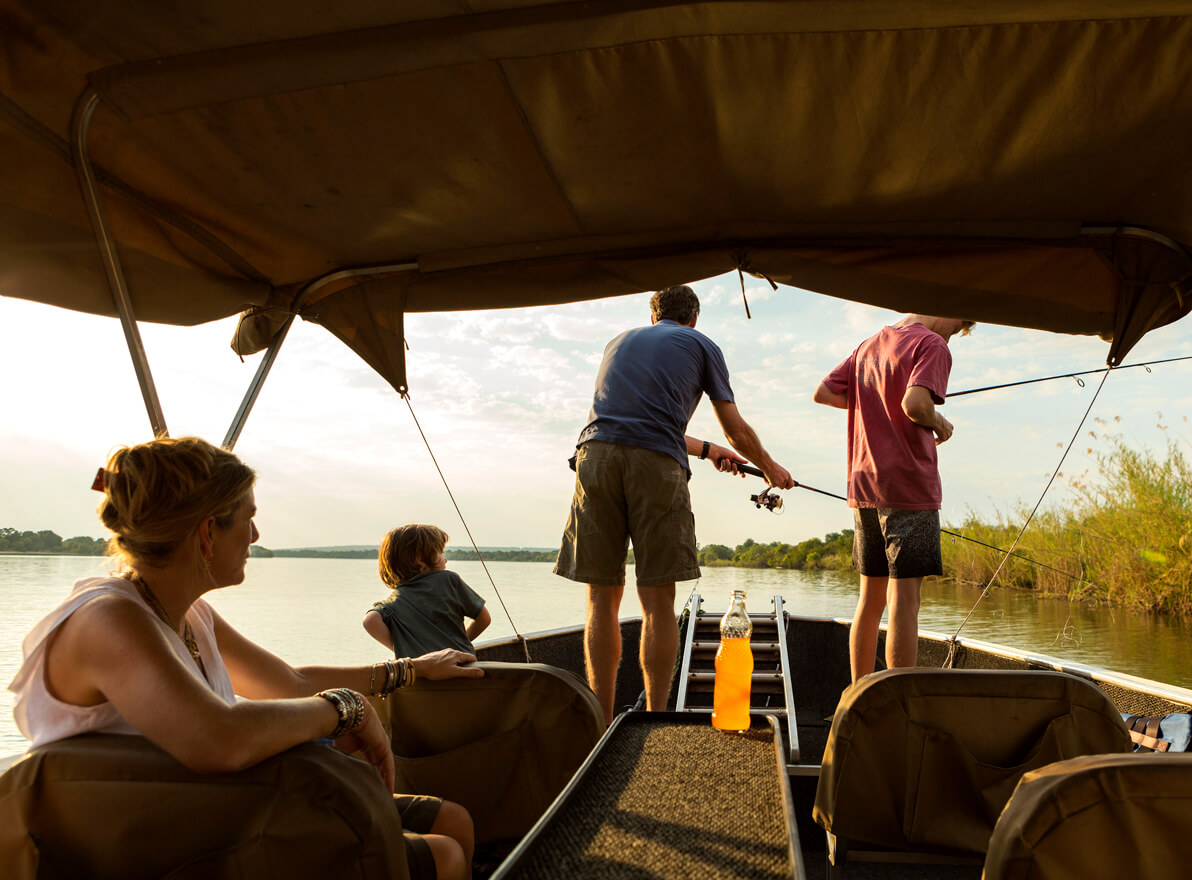
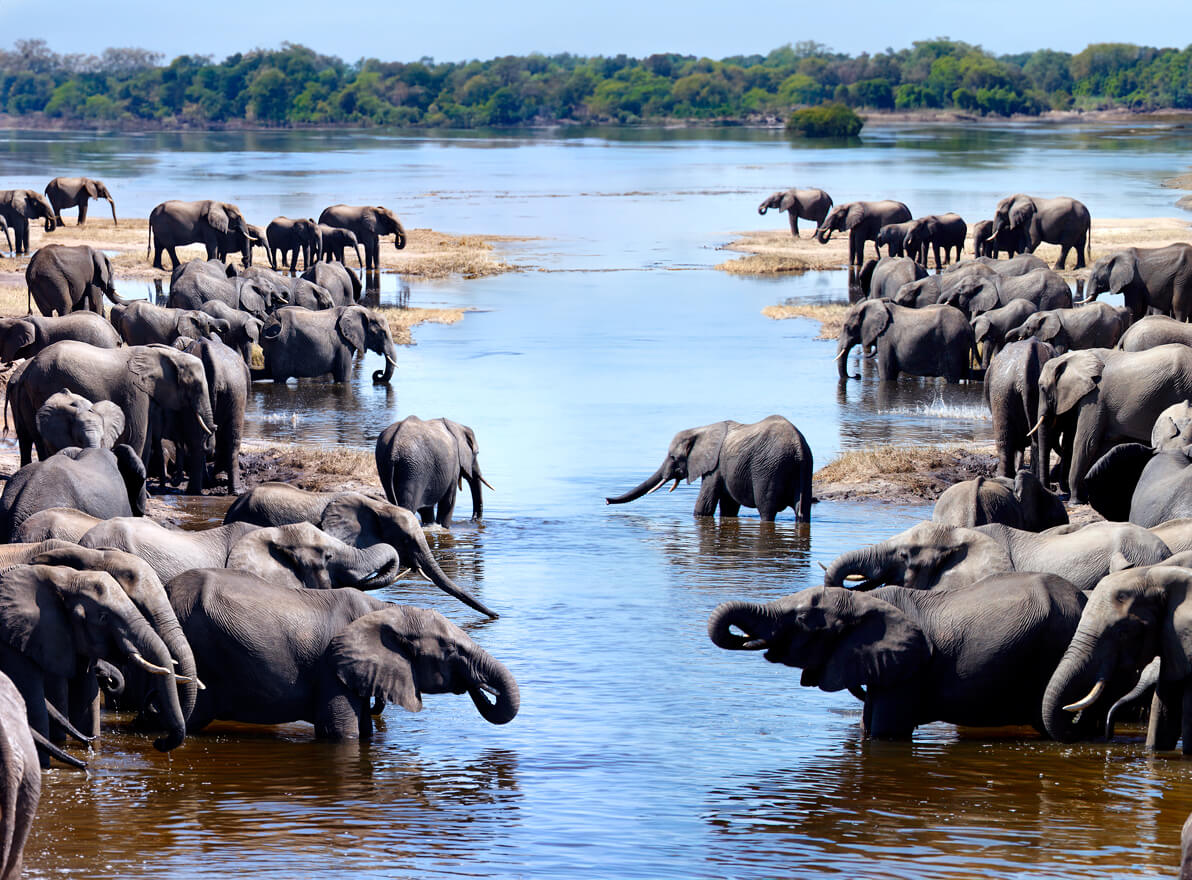
Along the Chobe River, game viewing takes a softer rhythm. Cruise past elephant herds wading at sunset, hippos snorting beside your boat, and crocodiles basking on the banks. It’s a sensory symphony — water lapping, birds calling, the sky blushing above. Here, every moment is touched by water and wonder.
Every extraordinary journey begins with a question.
When is the best time to visit Botswana?
Botswana shines year-round, but the dry season (May to October) is ideal for safaris — when wildlife congregates around water sources and the Delta floods create dreamlike landscapes. The green season (November to April) offers dramatic skies, newborn animals, and fewer visitors — a more intimate, rain-washed rhythm.
Do I need a visa to visit Botswana?
Most nationalities, including travelers from the US, UK, EU, and Commonwealth countries, do not require a visa for stays of up to 90 days. However, passport validity of at least six months is essential. Our team will confirm your specific entry requirements and assist with anything you need.
Is Botswana safe for luxury travelers?
Absolutely. Botswana is considered one of Africa’s safest and most politically stable countries. The lodges we work with offer discreet, high-level security and expert guides. You’ll be in the care of seasoned professionals, from bush pilots to trackers, all trained to make safety feel seamless and invisible.
What health precautions should I take?
Botswana is a malaria area, especially in the north (Okavango, Chobe), so anti-malarial medication is advised. A yellow fever certificate is only required if you’re arriving from a yellow fever-endemic country. We recommend consulting a travel clinic 4–6 weeks before travel for tailored advice and vaccinations.
What should I pack for Botswana?
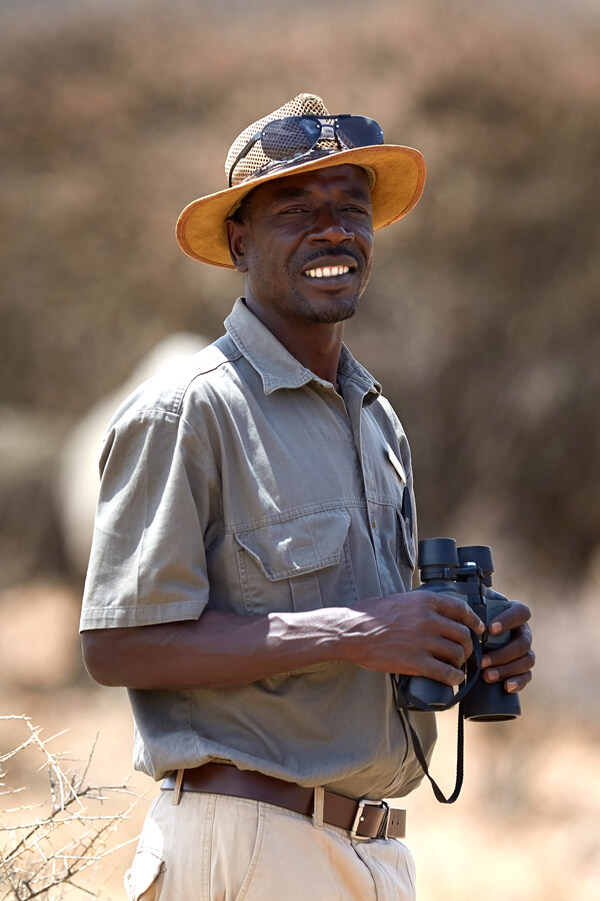
Pack light, breathable clothing in neutral tones for game drives, with warmer layers for crisp mornings and evenings. Comfortable walking shoes, sun protection, insect repellent, and a good pair of binoculars are key. We’ll send you a tailored packing guide based on the season and your exact itinerary.
How do I get around within Botswana?
Most journeys between safari regions are by light aircraft — scenic bush flights that offer breathtaking views over rivers, salt pans, and floodplains. These flights are short, efficient, and add to the sense of adventure. From airstrips, our guides greet you personally and escort you into the wild — seamlessly.
Let's Plan Your Escape
We'll handle the details, so you can focus on creating lasting memories.